
How Deep Should Loft Insulation Be?
Loft insulation is one of the most effective ways to reduce heat loss, lower energy bills, and improve comfort in UK homes. However, many homeowners are unsure how much insulation they should actually have in their loft — or how to tell if theirs is up to standard.
At Heatseal Insulation, we regularly assess and upgrade loft insulation to help homeowners improve energy efficiency and reduce unnecessary heat loss through the roof.
Understanding the correct depth of loft insulation is essential for keeping your home warm and efficient.
Why Loft Insulation Depth Matters
The deeper the insulation, the better it performs at trapping heat inside your home. Since heat naturally rises, a poorly insulated loft allows warmth to escape quickly through the roof.
Insufficient insulation can lead to:
- Higher heating bills
- Cold upstairs rooms
- Uneven temperatures
- Increased heat loss
- Reduced energy efficiency
Getting the depth right is key to long-term performance.
Recommended Loft Insulation Depth in the UK
In the UK, current guidance recommends that loft insulation should typically be around:
270mm (27cm) for mineral wool insulation
This is considered the optimal depth for most homes using modern insulation materials.
Many older homes, however, have:
- 100mm or less
- Compressed or flattened insulation
- Uneven coverage across the loft
These levels are usually not sufficient to prevent significant heat loss.
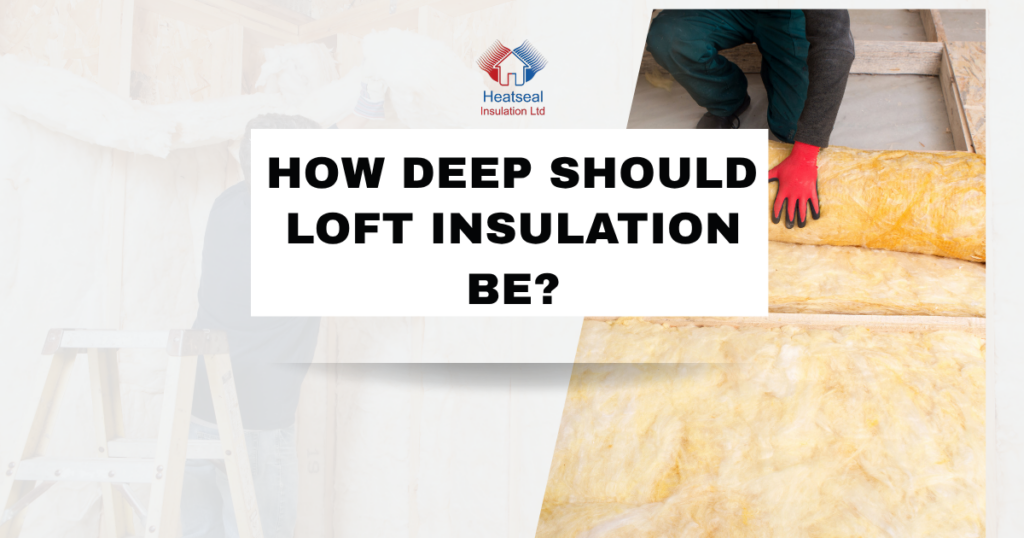
What Does 270mm of Insulation Look Like?
At around 270mm deep, loft insulation should:
- Sit well above the level of the joists
- Appear thick, fluffy, and even
- Cover the entire loft floor without gaps
- Maintain consistent depth throughout
If you can clearly see joists or bare areas, your insulation may be below recommended standards.
Signs Your Loft Insulation Is Too Shallow
You may need to upgrade your loft insulation if you notice:
- Cold upstairs rooms
- High heating bills
- Heat loss through the roof
- Uneven room temperatures
- Draughts or cold ceilings
- Insulation level with or below joists
These are common indicators that heat is escaping too easily.
Why Older Homes Often Have Insufficient Insulation
Many UK homes were insulated years ago when standards were lower. Over time, insulation can also:
- Become compressed
- Shift out of place
- Lose effectiveness due to moisture
- Be disturbed during loft storage or maintenance
As a result, many homes fall short of today’s recommended depth.
What Happens If Insulation Is Too Thin?
If loft insulation is not deep enough, your home can lose up to 25% of its heat through the roof.
This leads to:
- Higher energy bills
- Constant heating use
- Cold rooms upstairs
- Increased carbon emissions
- Poor overall energy efficiency
Even small increases in insulation depth can make a noticeable difference.
Can You Have Too Much Loft Insulation?
In most cases, more insulation is beneficial — but it must be installed correctly.
Problems can occur if:
- Insulation blocks ventilation points
- It is compressed under stored items
- Airflow in the loft is restricted
Proper installation ensures insulation and ventilation work together effectively.
How Loft Insulation Improves Energy Efficiency
Correct insulation depth helps:
- Reduce heat loss through the roof
- Keep rooms warmer for longer
- Lower energy consumption
- Improve EPC ratings
- Reduce heating costs
It is one of the most cost-effective home improvements available.
The Link Between Insulation and Condensation
Adequate insulation also helps reduce condensation problems.
When loft insulation is too shallow:
- Roof spaces become colder
- Internal surfaces cool down faster
- Moisture is more likely to form
This can lead to:
- Damp patches
- Black mould
- Cold ceilings
Improving insulation depth helps maintain warmer surfaces and reduce condensation risk.
How to Check Your Loft Insulation
You can safely check your loft insulation by:
- Looking at insulation depth across the loft floor
- Checking whether joists are covered
- Identifying gaps or thin areas
- Looking for signs of compression or damp
If you are unsure, a professional assessment is recommended.
Improving Loft Insulation
If your insulation is below recommended levels, upgrading it can significantly improve home performance.
A professional upgrade ensures:
- Correct depth (around 270mm)
- Even coverage
- Proper ventilation maintained
- Maximum energy efficiency
Professional Loft Insulation Services
At Heatseal Insulation, we provide expert loft insulation assessments and upgrades designed to reduce heat loss and improve home comfort.
We can help with:
- Loft insulation installation and topping up
- Heat loss reduction
- Energy efficiency improvements
- Damp and condensation prevention
- Loft insulation condition checks
Final Thoughts
So, how deep should loft insulation be? In most UK homes, the recommended depth is around 270mm for effective heat retention and energy efficiency.
If your insulation is thinner than this, your home may be losing heat unnecessarily, leading to higher bills and reduced comfort.
Upgrading loft insulation is one of the simplest and most effective ways to improve warmth, reduce energy waste, and create a more comfortable home.
To learn more about professional insulation services, visit Heatseal Insulation today.