
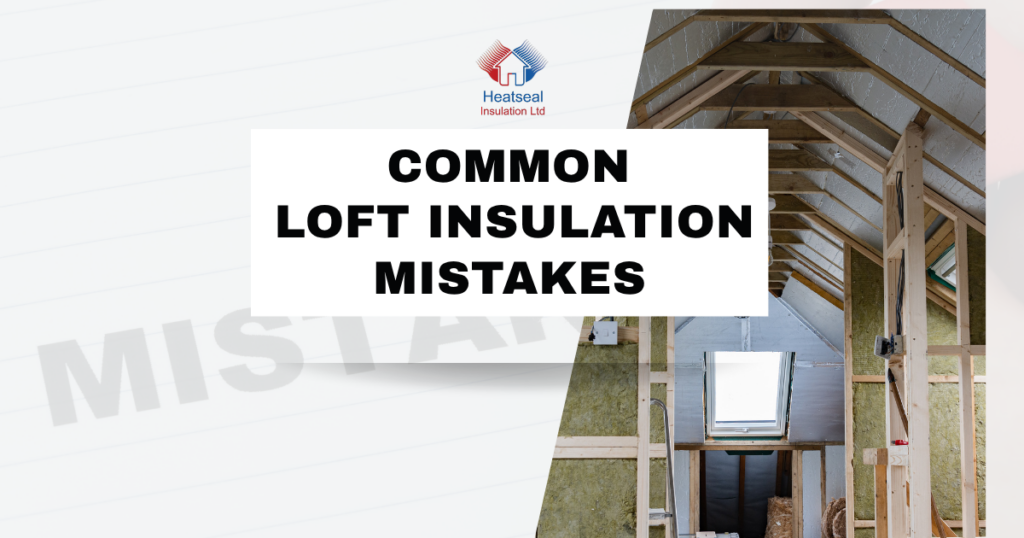
Common Loft Insulation Mistakes
Loft insulation is one of the most effective ways to reduce heat loss and improve energy efficiency in UK homes. However, many homeowners unknowingly make mistakes that reduce its effectiveness or even make insulation problems worse over time.
At Heatseal Insulation, we regularly see homes where insulation is present but not performing properly due to simple installation or maintenance errors.
Understanding the most common loft insulation mistakes can help you avoid heat loss, lower your energy bills, and keep your home warmer all year round.
Why Loft Insulation Matters
Loft insulation acts as a thermal barrier, trapping heat inside your home and preventing it from escaping through the roof. Since heat naturally rises, the loft is one of the biggest areas of heat loss in any property.
Poorly installed or maintained insulation can lead to:
- Higher heating bills
- Cold upstairs rooms
- Uneven temperatures
- Increased heat loss
- Reduced energy efficiency
- Insulation That Is Too Thin
One of the most common mistakes is not having enough insulation.
Many UK homes still have:
- 100mm or less insulation
- Old insulation that no longer meets standards
- Partial or uneven coverage
Current UK recommendations suggest around 270mm depth for effective performance.
Thin insulation allows heat to escape quickly through the roof.
- Compressed Loft Insulation
Loft insulation only works properly when it is fluffy and full of air pockets. When it becomes compressed, it loses effectiveness.
Common causes of compression include:
- Storing heavy items on top
- Walking directly on insulation
- Poor installation techniques
Compressed insulation leads to:
- Increased heat loss
- Higher energy bills
- Cold upstairs rooms
- Leaving Gaps in Coverage
Even small gaps in insulation can significantly reduce performance.
Heat escapes through:
- Uncovered corners
- Edges near loft hatches
- Around pipes and wiring
A properly insulated loft should have even, continuous coverage across the entire space.
- Blocking Loft Ventilation
Ventilation is essential in loft spaces, but it must not be blocked by insulation.
Blocking airflow can cause:
- Condensation build-up
- Damp insulation
- Timber damage
- Reduced insulation lifespan
Proper installation ensures insulation and ventilation work together.
- Covering Electrical Components Incorrectly
Another common mistake is covering electrical fittings or cables without proper precautions.
This can:
- Create safety risks
- Overheat electrical components
- Lead to non-compliant installations
Professional installation ensures insulation is fitted safely around electrical systems.
- Ignoring Damp or Moisture Issues
Installing insulation over damp or wet areas is a major mistake.
Moisture in the loft can:
- Reduce insulation performance
- Lead to mould growth
- Damage roof timbers
- Create long-term structural issues
Any damp issues should be resolved before insulation is installed or topped up.
- Using the Wrong Type of Insulation
Different homes require different insulation solutions. Using the wrong type or grade can reduce effectiveness.
Common issues include:
- Low-quality materials
- Inappropriate insulation thickness
- Mixing incompatible materials
Choosing the correct insulation ensures long-term performance.
- Not Insulating the Loft Hatch
The loft hatch is often overlooked but can be a major source of heat loss.
Without insulation, warm air escapes through:
- Gaps around the hatch
- Thin hatch panels
- Poor sealing
Insulating and draught-proofing the hatch improves overall efficiency.
- Poor Installation Quality
Even high-quality insulation will underperform if it is not installed correctly.
Poor installation can result in:
- Uneven coverage
- Compression
- Gaps and cold spots
- Reduced lifespan of insulation
Professional installation ensures maximum efficiency.
- Not Topping Up Old Insulation
Many homes still rely on insulation that was installed years ago and is no longer sufficient.
Over time, insulation can:
- Settle and flatten
- Become outdated
- Lose thermal performance
Topping up insulation helps restore efficiency and reduce heat loss.
Signs Your Loft Insulation Has Been Installed Incorrectly
You may have insulation issues if you notice:
- Cold upstairs rooms
- High energy bills
- Visible loft joists
- Uneven insulation depth
- Condensation or damp in the loft
- Heat loss through the roof
Why Loft Insulation Mistakes Matter
Even small mistakes can lead to significant energy loss over time. Poor insulation performance can:
- Increase heating costs
- Reduce home comfort
- Contribute to condensation and mould
- Lower energy efficiency ratings
Fixing these issues can make a noticeable difference quickly.
How to Get Loft Insulation Right
A properly insulated loft should be:
- Around 270mm deep
- Evenly spread with no gaps
- Free from compression
- Installed with proper ventilation maintained
- Safe around electrical components
Professional Loft Insulation Services
At Heatseal Insulation, we provide expert loft insulation assessments and installations designed to eliminate common mistakes and improve home efficiency.
We check:
- Insulation depth and condition
- Heat loss areas
- Ventilation performance
- Damp or condensation risks
- Installation quality
Our goal is to ensure your insulation performs effectively and helps reduce energy bills.
Final Thoughts
Loft insulation mistakes are common, but they can have a big impact on your home’s warmth, energy efficiency, and heating costs. From compression and gaps to poor installation and insufficient depth, even small issues can lead to major heat loss.
By identifying and correcting these mistakes, you can significantly improve comfort and reduce wasted energy.
To learn more about professional insulation solutions, visit Heatseal Insulation today.