
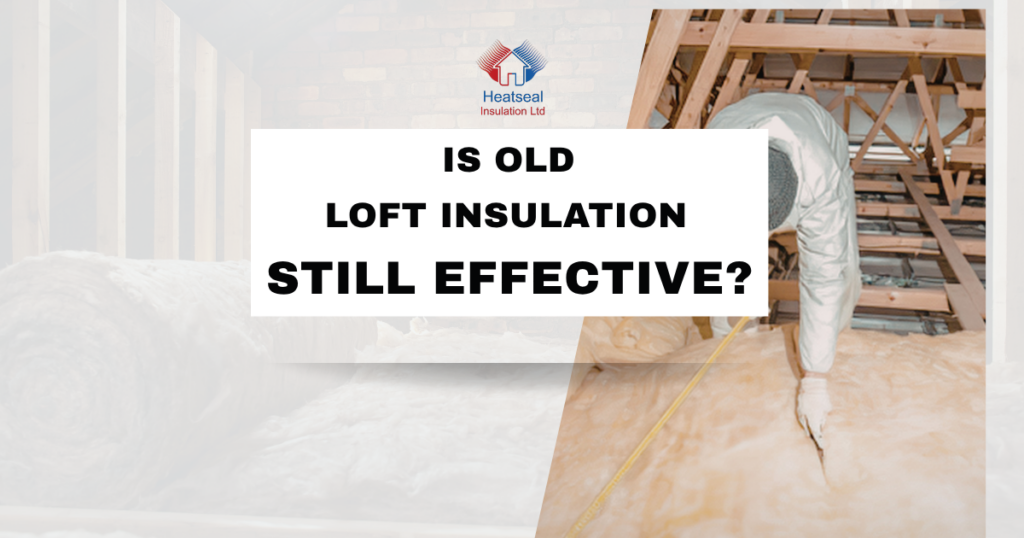
Is Old Loft Insulation Still Effective?
Loft insulation is designed to last for many years, but that does not always mean it continues to perform effectively. Many UK homes still rely on insulation that was installed decades ago, and while it may still be physically present, its ability to retain heat may have significantly reduced over time.
At Heatseal Insulation, we often inspect older properties where insulation is still in place but no longer providing adequate thermal protection. Understanding whether old loft insulation is still effective can help you reduce heat loss, lower energy bills, and improve home comfort.
How Loft Insulation Works Over Time
Loft insulation works by trapping air within its fibres to slow down heat transfer. As long as it remains:
- Thick
- Dry
- Undisturbed
- Evenly distributed
it can continue to perform well.
However, over time, several factors can reduce its effectiveness.
How Long Does Loft Insulation Last?
In general, loft insulation can last 20–40 years or more, but performance often declines before it fully “expires.”
Older insulation may still exist in the loft, but it may not meet modern energy efficiency standards.
In many UK homes, insulation installed decades ago is far below the recommended level of 270mm depth.
When Old Loft Insulation Is Still Effective
Old insulation may still be working reasonably well if:
- It is dry and free from damp
- It has not been compressed
- It fully covers the loft floor
- It is close to modern thickness standards
- There are no visible gaps or cold spots
If these conditions are met, it may still provide some thermal benefit.
Signs Old Loft Insulation Is No Longer Effective
In many cases, older insulation begins to lose performance due to age and environmental factors.
Common warning signs include:
- Thin or Uneven Coverage
Older insulation often settles over time, leaving areas with reduced thickness.
- Cold Upstairs Rooms
If bedrooms feel cold even with heating on, heat may be escaping through the roof.
- High Energy Bills
Inefficient insulation forces heating systems to work harder, increasing energy costs.
- Visible Loft Joists
If joists are clearly visible above insulation, it is likely below modern standards.
- Compressed or Flattened Material
Stored items or foot traffic can flatten insulation, reducing its effectiveness.
- Damp or Discoloured Insulation
Moisture damage can severely reduce insulation performance and lead to mould issues.
Why Old Loft Insulation Becomes Less Effective
Even if insulation is still present, several factors reduce its performance over time:
Compression
Insulation loses its ability to trap air when flattened.
Ageing Materials
Older materials may not meet modern thermal efficiency standards.
Moisture Damage
Damp insulation becomes heavy and less effective.
Disturbance
Loft storage or maintenance work can disrupt insulation coverage.
Heat Loss in Homes With Old Insulation
One of the biggest issues with old loft insulation is increased heat loss through the roof.
In some homes, up to 25% of heat loss can occur through an underperforming loft.
This leads to:
- Higher heating bills
- Cold upstairs rooms
- Uneven indoor temperatures
- Increased carbon emissions
Should You Replace Old Loft Insulation?
You may not always need a full replacement. In many cases, insulation can be:
- Topped up
- Re-levelled
- Or partially replaced
However, replacement may be necessary if:
- It is damp or mouldy
- It is heavily compressed
- It is below minimum depth standards
- It is contaminated or damaged
Benefits of Upgrading Old Loft Insulation
Replacing or topping up old insulation can provide major benefits:
Lower Energy Bills
Better insulation reduces heat loss and improves efficiency.
Warmer Home
Rooms retain heat for longer and feel more comfortable.
Improved Energy Efficiency
Helps improve EPC ratings and overall home performance.
Reduced Condensation
Warmer surfaces reduce the risk of moisture and mould.
How to Check Your Loft Insulation
You can inspect your loft by looking for:
- Insulation depth (should be around 270mm)
- Even coverage across the loft floor
- Signs of damp or compression
- Exposed joists or gaps
If you are unsure, a professional inspection is recommended.
Professional Loft Insulation Services
At Heatseal Insulation, we specialise in assessing and upgrading old loft insulation to improve home efficiency and reduce heat loss.
We can help with:
- Loft insulation condition surveys
- Topping up old insulation
- Full insulation replacement
- Heat loss reduction solutions
- Damp and condensation checks
Final Thoughts
Old loft insulation may still exist in many UK homes, but that does not always mean it is still effective. Over time, insulation can become compressed, outdated, or insufficient for modern energy standards.
If your home feels cold, your energy bills are rising, or your loft insulation looks thin or uneven, it may be time for an upgrade.
Improving or topping up old insulation is one of the most effective ways to reduce heat loss and improve home comfort.
To learn more about professional insulation services, visit Heatseal Insulation today.