
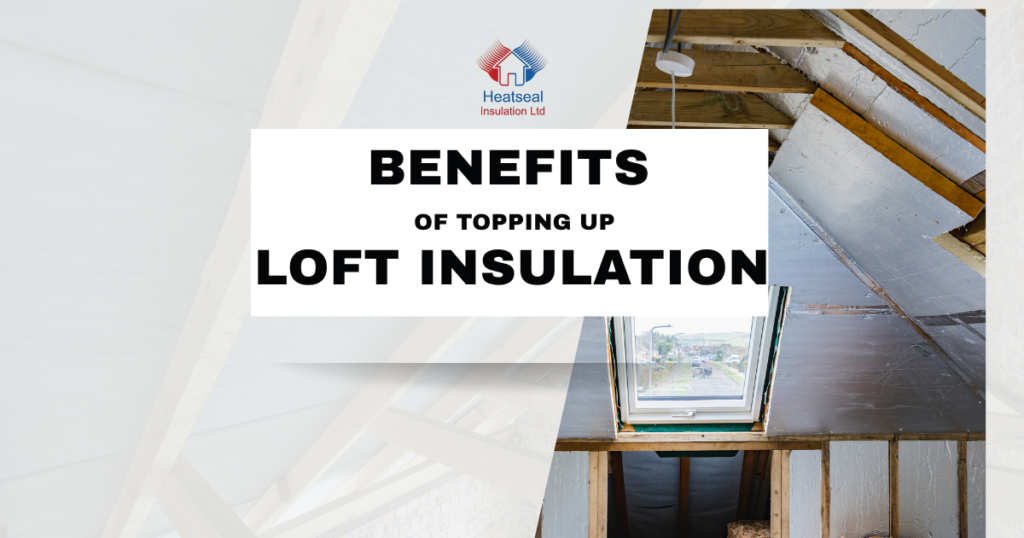
Benefits of Topping Up Loft Insulation
Loft insulation is one of the most effective ways to improve energy efficiency in UK homes, but many properties still have insulation that is too thin, uneven, or outdated. Over time, insulation can also become compressed or less effective, meaning your home loses more heat than it should.
At Heatseal Insulation, we help homeowners reduce heat loss and lower energy bills by professionally topping up loft insulation to current UK standards.
If your home feels cold or your heating bills are rising, topping up your loft insulation could make a significant difference.
What Does Topping Up Loft Insulation Mean?
Topping up loft insulation means adding an extra layer of insulation over existing material to increase its depth and improve performance.
In many UK homes, insulation was installed years ago and no longer meets modern recommendations. A top-up brings it closer to the recommended level of around 270mm depth, improving thermal efficiency.
Why Loft Insulation Needs Topping Up
Many homes need insulation upgrades because:
- Original insulation is too thin
- Materials have compressed over time
- Gaps have formed in coverage
- New energy standards recommend higher thickness
- Insulation has been disturbed during loft storage
Even if insulation is present, it may not be performing effectively.
Add Your Heading Text Here
- Reduced Heat Loss Through the Roof
One of the biggest benefits of topping up loft insulation is reducing heat loss.
Because heat rises, a poorly insulated loft allows warmth to escape easily. A properly topped-up loft helps trap heat inside the home.
This can prevent up to 25% of heat loss through the roof, improving overall comfort.
Lower Energy Bills
When your home retains heat more effectively, your heating system does not need to work as hard.
This can lead to:
- Lower gas and electricity bills
- Reduced heating usage
- More efficient energy consumption
Many homeowners notice a difference in energy costs after upgrading insulation.
Warmer, More Comfortable Home
Topping up loft insulation helps maintain consistent indoor temperatures.
You may notice:
- Warmer upstairs rooms
- Less draughty feeling indoors
- Improved comfort in winter
- Reduced cold spots
- Improved Energy Efficiency
Increasing insulation depth improves your home’s overall energy performance.
Benefits include:
- Better EPC rating
- Reduced carbon footprint
- Improved thermal efficiency
This can also increase property appeal for future buyers.
Helps Reduce Condensation and Damp
Cold surfaces contribute to condensation, especially in winter.
By reducing heat loss and keeping internal surfaces warmer, loft insulation helps:
- Reduce condensation on ceilings and walls
- Lower risk of mould growth
- Improve indoor air quality
This is especially important in older UK homes.
Extends the Life of Your Heating System
When heat stays inside the home for longer:
- Boilers do not need to run as frequently
- Heating systems experience less strain
- Maintenance needs may be reduced over time
- Cost-Effective Home Improvement
Topping up loft insulation is one of the most affordable ways to improve home efficiency.
Compared to other energy upgrades, it offers:
- Low installation disruption
- Quick return on investment
- Long-term savings
Signs Your Loft Insulation Needs Topping Up
You may need additional insulation if:
- You can see loft joists above insulation
- Insulation looks thin or uneven
- Your home feels cold despite heating
- Energy bills are rising
- Upstairs rooms cool down quickly
- Insulation appears compressed
Recommended Loft Insulation Depth in the UK
In most UK homes, the recommended total insulation depth is around:
- 270mm (27cm) for mineral wool insulation
Many older homes only have:
- 100mm or less
- Partial coverage
- Settled or flattened insulation
Topping up helps bring insulation up to modern standards.
Can You Add New Insulation Over Old Insulation?
Yes — in most cases, new insulation can be safely added over existing material.
However, it is important that:
- Existing insulation is dry
- There is no mould or damp present
- Ventilation is not blocked
- The loft structure is suitable
A professional assessment ensures the correct approach is used.
Avoiding Common Loft Insulation Problems
When topping up insulation, it is important to avoid:
- Blocking soffit ventilation
- Compressing existing insulation
- Covering electrical fittings incorrectly
- Creating uneven insulation layers
Proper installation ensures maximum efficiency and safety.
Professional Loft Insulation Services
At Heatseal Insulation, we provide expert loft insulation topping up services designed to improve home comfort and reduce heat loss.
We assess:
- Existing insulation condition
- Insulation depth and coverage
- Heat loss through roof space
- Damp and ventilation issues
- Energy efficiency performance
Our goal is to ensure your home stays warmer, more efficient, and cost-effective to heat.
Final Thoughts
Topping up loft insulation is one of the simplest and most effective ways to improve your home’s energy efficiency. By increasing insulation depth and reducing heat loss through the roof, you can enjoy a warmer home, lower energy bills, and improved comfort throughout the year.
If your insulation is thin, uneven, or outdated, upgrading it can make a noticeable difference.
To learn more about professional loft insulation services, visit Heatseal Insulation today.