
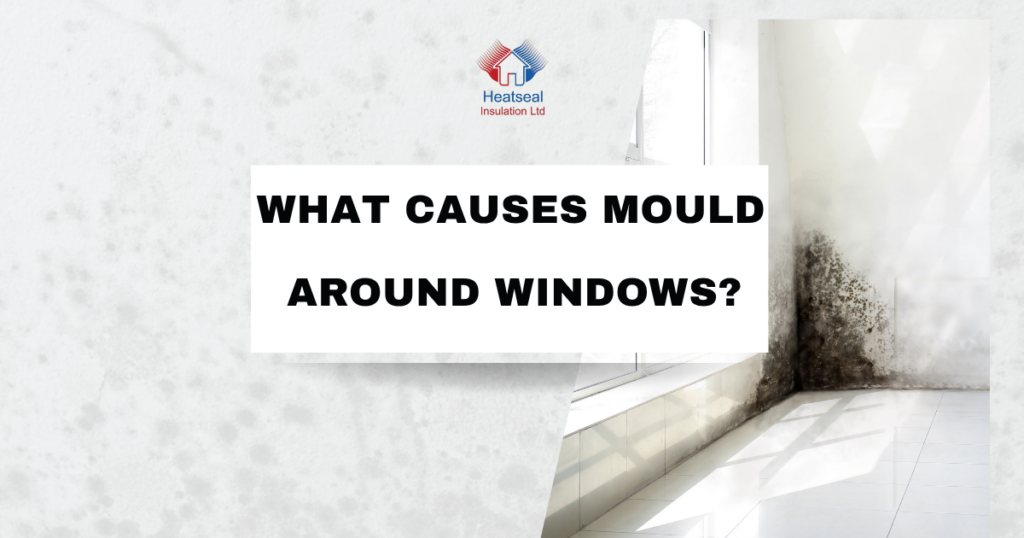
What causes Mould Around Windows?
Mould around windows is a common problem in many UK homes, especially during colder months. It usually appears as black, green, or grey patches on window frames, seals, or surrounding walls. While it can look alarming, it is almost always caused by excess moisture and condensation rather than a serious structural fault.
At Heatseal Insulation, we help homeowners reduce condensation and heat loss, which are two of the main contributors to mould growth in the home.
Understanding why mould forms around windows is the first step to preventing it from coming back.
Why Does Mould Form Around Windows?
Mould grows when moisture sits on a surface for long periods. Windows are one of the coldest areas in a home, which makes them a natural place for condensation to form.
When warm indoor air hits a cold window surface, water droplets form. If this moisture does not dry quickly, mould spores begin to grow.
Condensation Is the Main Cause
Condensation is the biggest reason mould appears around windows in UK homes.
It happens when:
- Warm air inside the home meets cold glass or frames
- Moisture in the air turns into water droplets
- Water remains on surfaces for long periods
Common causes of high indoor moisture include:
- Cooking without lids
- Showering or bathing
- Drying clothes indoors
- Poor ventilation
- Breathing in occupied rooms
Without proper airflow, moisture builds up quickly and settles on cold surfaces like windows.
Poor Insulation and Heat Loss
Heat loss plays a major role in window condensation and mould growth.
When a home loses heat through the roof or walls, indoor surfaces become colder. This increases the likelihood of condensation forming on windows.
Key contributors include:
- Poor loft insulation
- Uninsulated walls
- Draughts around windows and doors
- Single-glazed windows
Improving insulation helps keep internal temperatures more stable and reduces cold spots where moisture can form.
Lack of Ventilation
Poor ventilation is another major factor.
Without fresh air circulation, moisture becomes trapped indoors and has nowhere to escape.
Problem areas include:
- Closed windows for long periods
- Blocked air vents
- No extractor fans in bathrooms or kitchens
- Furniture blocking airflow near windows
Even small improvements in ventilation can reduce mould significantly.
Cold Bridging Around Window Frames
Cold bridging occurs when certain parts of a building are colder than others due to poor insulation.
Around windows, this often happens at:
- Window frames
- Seals
- Lintels
- Wall junctions
These colder areas attract moisture, making mould more likely to form.
Signs of Mould Around Windows
You may have a condensation problem if you notice:
- Black mould spots on window frames
- Water droplets on glass in the morning
- Damp smells near windows
- Peeling paint or soft seals
- Cold draughts around frames
These signs usually indicate excess moisture combined with cold surfaces.
Is Mould Around Windows Dangerous?
Small amounts of surface mould are common, but if left untreated it can:
- Spread to walls and ceilings
- Damage paintwork and window seals
- Contribute to poor indoor air quality
- Trigger respiratory irritation in some people
It is best to address the cause rather than just cleaning the visible mould.
How to Prevent Mould Around Windows
Improve Loft Insulation
Reducing heat loss helps keep indoor surfaces warmer, which lowers condensation risk.
Proper loft insulation:
- Reduces heat escaping through the roof
- Keeps rooms warmer for longer
- Helps prevent cold window surfaces forming
Increase Ventilation
Good airflow helps remove excess moisture from the home.
Helpful steps include:
- Opening windows regularly
- Using extractor fans
- Keeping air vents clear
- Avoiding drying clothes indoors where possible
Maintain Consistent Heating
Keeping a steady temperature helps prevent windows from becoming too cold.
Avoid letting rooms get very cold and then reheating quickly.
Reduce Indoor Moisture
Simple habits can help:
- Cover pans when cooking
- Use lids in bathrooms
- Vent tumble dryers outside if possible
When to Get Professional Help
If mould keeps returning, it may indicate a larger insulation or ventilation issue.
A professional assessment can identify:
- Heat loss areas
- Insulation problems
- Poor ventilation zones
- Cold bridging issues
Professional Insulation Support
At Heatseal Insulation, we help homeowners reduce condensation and improve energy efficiency with expert insulation solutions.
Our team can assess:
- Loft insulation condition
- Heat loss through roof and walls
- Ventilation performance
- Damp and condensation risks
Improving insulation is often one of the most effective long-term solutions for reducing mould around windows.
Final Thoughts
Mould around windows is mainly caused by condensation, excess moisture, and cold surfaces. Poor insulation and heat loss make the problem worse by lowering indoor temperatures and increasing cold spots.
By improving insulation, increasing ventilation, and managing moisture levels, homeowners can significantly reduce or eliminate mould problems.
To learn more about reducing heat loss and improving home comfort, visit Heatseal Insulation today.