
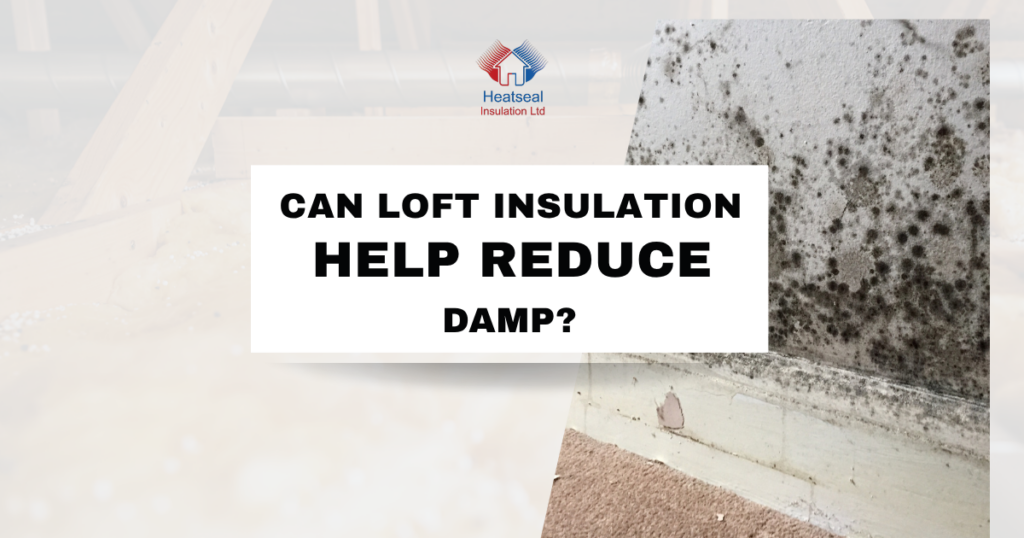
Can Loft Insulation Help Reduce Damp?
Damp and condensation are common problems in many UK homes, especially during colder months. Homeowners often notice mould growth, damp patches, peeling wallpaper, or musty smells and assume there is a serious structural issue. However, in many cases, poor insulation and heat loss are major contributing factors.
One of the most effective ways to improve your home’s thermal performance and help reduce condensation-related damp is through proper loft insulation.
At Heatseal Insulation, we help homeowners improve energy efficiency, reduce heat loss, and create warmer, healthier homes with professional loft insulation solutions.
What Causes Damp in Homes?
Damp can develop for several reasons, but condensation is one of the most common causes in UK properties.
Condensation occurs when warm, moisture-filled air comes into contact with cold surfaces such as:
- Walls
- Ceilings
- Windows
- Corners of rooms
- Areas behind furniture
When surfaces stay cold for long periods, moisture builds up and creates conditions where damp and mould can develop.
How Poor Insulation Contributes to Damp
Homes with inadequate insulation lose heat more quickly, causing internal surfaces to become colder.
This is particularly common in:
- Older UK homes
- Properties with poor loft insulation
- Homes with uninsulated walls
- Properties with draughts and ventilation issues
Cold ceilings and walls increase the likelihood of condensation forming, especially during winter when indoor heating and outdoor temperatures differ significantly.
Can Loft Insulation Reduce Damp?
Yes — in many cases, loft insulation can help reduce condensation-related damp by improving heat retention and keeping indoor surfaces warmer.
Loft insulation works by slowing down heat escaping through the roof. Since heat naturally rises, poorly insulated lofts allow warm air to escape rapidly, making rooms colder and increasing condensation risk.
By improving thermal efficiency, loft insulation helps:
- Maintain more stable room temperatures
- Reduce cold spots
- Lower condensation build-up
- Improve overall home comfort
- Reduce moisture forming on ceilings and walls
Why Heat Loss Leads to Condensation
Without proper insulation:
- Warm air escapes through the roof
- Indoor temperatures drop quickly
- Cold surfaces form around ceilings and walls
- Moisture condenses into water droplets
Over time, this moisture can lead to:
- Damp patches
- Black mould
- Peeling wallpaper
- Musty smells
- Damage to plaster and paintwork
Reducing heat loss is an important part of controlling condensation.
Signs Poor Insulation May Be Contributing to Damp
You may benefit from improved loft insulation if you notice:
- Condensation on windows
- Damp patches near ceilings
- Mould in upstairs rooms
- Cold bedrooms
- Chilly ceilings
- High heating bills
- Rooms cooling quickly after heating is turned off
These are often signs your home is struggling to retain heat effectively.
The Importance of Proper Loft Ventilation
While loft insulation helps reduce heat loss, ventilation is also essential.
A properly ventilated loft prevents moisture becoming trapped within the roof space, which can otherwise lead to:
- Damp insulation
- Timber decay
- Condensation in the loft
- Reduced insulation performance
Professional installation ensures insulation and ventilation work together correctly.
Benefits of Loft Insulation Beyond Damp Reduction
Upgrading loft insulation offers several additional benefits:
Lower Heating Bills
Reducing heat loss means your heating system does not need to work as hard.
Improved Energy Efficiency
Good insulation improves your home’s thermal performance and EPC rating.
A Warmer Home
Rooms stay warmer and more comfortable for longer.
Reduced Carbon Emissions
Using less energy helps lower your home’s environmental impact.
How Much Loft Insulation Should You Have?
Current UK recommendations suggest loft insulation should typically be around 270mm thick for maximum efficiency.
Many older homes have much less than this or insulation that has deteriorated over time.
If your insulation appears thin, uneven, or compressed, it may no longer be performing effectively.
Additional Ways to Reduce Damp
Alongside loft insulation, homeowners can also help reduce condensation by:
- Improving ventilation
- Using extractor fans
- Keeping rooms heated consistently
- Reducing indoor moisture
- Draught-proofing windows and doors
- Improving wall insulation
Combining these measures can significantly improve indoor conditions.
Professional Loft Insulation Services
At Heatseal Insulation, we provide professional loft insulation services designed to improve warmth, reduce heat loss, and help homeowners tackle condensation-related damp problems.
Our team can assess:
- Existing insulation condition
- Heat loss areas
- Ventilation requirements
- Damp and condensation risks
- Overall energy efficiency
We tailor insulation solutions to suit your property and maximise long-term performance.
Final Thoughts
So, can loft insulation help reduce damp? In many cases, yes. By improving heat retention and reducing cold surfaces, proper loft insulation can help lower condensation levels and reduce the risk of damp and mould developing in your home.
If your property feels cold, suffers from condensation, or struggles with heat loss, improving your loft insulation could make a significant difference.
To learn more about professional insulation services, visit Heatseal Insulation today.